


Table of Contents
- Key Takeaways
- Ventilate a Garden Room Gym: Quick Setup Plan
- Create Cross-Ventilation With Windows and Doors
- Add Passive Wall Vents for Constant Airflow
- Choose an Extractor Fan (Size, CFM, Location)
- Use Circulation Fans to Stop Hot Spots
- Control Humidity: Dehumidifiers and Thresholds
- Balance Ventilation and Insulation in Winter
- Prevent Condensation on Corners and Glazing
- Reduce Odours and Improve Indoor Air Quality
- Seasonal Maintenance Checklist for Year-Round Airflow
- Conclusion
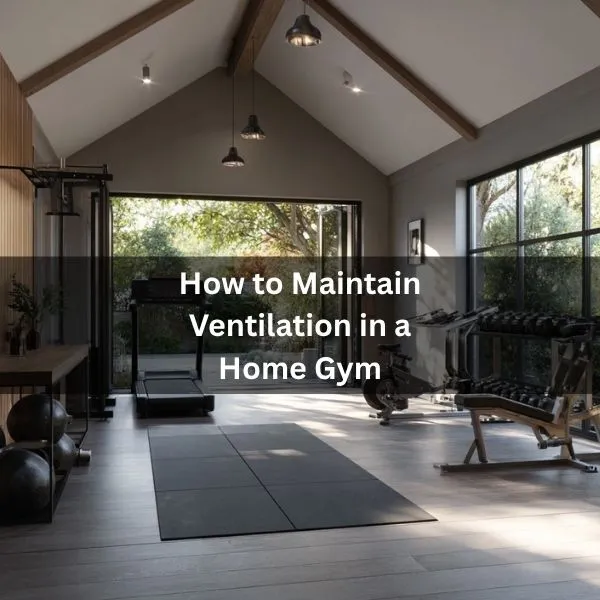
You can build a gym that’s airtight for warmth yet breathable for comfort. You’ll keep air moving with simple cross‑ventilation, then back it up with passive wall vents that are low for intake, high for exhaust, so the room doesn’t rely on you opening a window. Learn how to maintain proper ventilation in a garden gym room by following a simple guide. Add an extractor fan for workouts, watch humidity with a hygrometer, and use a dehumidifier before condensation starts. Next, you’ll size and place everything so it actually works…
Key Takeaways
- Create cross-ventilation by slightly opening an upwind window and opening a downwind window or door wider to pull air across the gym.
- Install two passive wall vents (low intake, high exhaust) with insect mesh and baffles for continuous background airflow.
- Use an extractor fan sized for 8-12 air changes per hour, mounted high with a short duct run and a backdraft shutter.
- Control moisture with a hygrometer (target 40-60% RH) and run a compressor dehumidifier during training and 30 to 60 minutes after.
- Do seasonal maintenance: clear external grilles quarterly, clean/replace filters, check seals, and test airflow with a tissue at vents.
Ventilate a Garden Room Gym: Quick Setup Plan
If you want your garden room gym to feel fresh from day one, set up ventilation in layers: start by creating cross‑flow with two openings (a window/vent on one side and another on the opposite side), then add a small extractor fan near the most humid spot (usually where you train), and finish with a simple circulation fan to keep air moving between workouts.
Now lock in the basics. Choose a bathroom-rated extractor with a timer or humidity sensor, and duct it straight outside to avoid dumping damp air into the wall or roof void. Seal around the duct with exterior-grade sealant and fit a backdraft shutter to stop cold air from sneaking in.
Run the extractor during sessions and for 20 minutes after. Aim the circulation fan across the room, not at your face, so it mixes air without chilling you. Wipe down sweaty kit, store mats upright, and keep a small hygrometer inside so you can react before condensation starts.
Create Cross-Ventilation With Windows and Doors
Cross-ventilation does most of the heavy lifting before you even switch on a fan. To get it right, you need two openings on different sides of the room so air can enter, travel across your workout zone, and exit.
Start by opening the window on the upwind side a little and the downwind window or door wider to pull air through.
If you’ve only got one window, pair it with the door. Crack the window 5 to 10 cm and open the door to create a clear path.
Keep the route unobstructed: don’t park benches, storage, or curtains in front of openings. Aim airflow across where you sweat most, not straight at you, to avoid a cold blast.
Train in bursts? Air the room for 10 minutes before and after sessions. During workouts, reopen whenever humidity climbs.
Add Passive Wall Vents for Constant Airflow
Because windows and doors aren’t always open—especially in winter—passive wall vents keep fresh air moving through your garden room gym around the clock.
Fit at least two vents to create a simple in-and-out path: one low vent on a cooler side for intake and one high vent on the opposite wall for exhaust. That height difference helps warm, stale air rise and leave without you thinking about it.
Choose closable, weather-rated vents with insect mesh and a baffle to reduce drafts.
If your gym’s insulated, use insulated vent sleeves to prevent cold bridging and condensation inside the wall.
Keep vents clear of kit, wall mats, and storage so air can actually circulate. On windy days, crack the closer slightly rather than blocking the vent completely.
Wipe the grilles and mesh monthly to stop dust buildup, and you’ll maintain steady background ventilation with minimal heat loss.
Choose an Extractor Fan (Size, CFM, Location)
When passive vents can’t keep up with sweat, humidity, and lingering odours, add an extractor fan to pull stale air out fast and on demand.
Start by sizing it properly: aim for 8-12 air changes per hour. Multiply your room volume (length × width × height in metres) by 0.588 to get the CFM needed at 10 ACH. If you’d rather keep it simple, most small garden gyms do well with 100-150 CFM, while larger, equipment-packed rooms often need 200+ CFM.
Mount the fan high on an exterior wall or through the ceiling with a short, straight duct run. Put it opposite your main intake vent so fresh air crosses the room before it exits. Avoid placing it directly above your bench or mats, where it’ll just short-cycle nearby air.
Choose a humidistat or timer model and fit a backdraft shutter to prevent cold air from sneaking in.
Use Circulation Fans to Stop Hot Spots
Even with a correctly sized extractor, dead corners and ceiling pockets can trap warm, humid air, so add a circulation fan to keep the whole room moving.
Aim for steady mixing, not a gale: you’re trying to break up hot spots and push air toward the extractor’s pull. A quiet 6- to 10-inch desk fan, pedestal fan, or compact air circulator is usually enough for a home gym room.
Place the fan where it creates a loop: point it along the longest wall, across the ceiling line, or diagonally from one corner toward the extractor. Keep it off the floor if you can; a shelf mount reduces dust intake and improves throw.
During training, run it continuously at low to medium speed. After a hard session, leave it on for 15 to 30 minutes so heat and stale air don’t linger in mats, corners, or behind equipment.
Control Humidity: Dehumidifiers and Thresholds
Good airflow stops hot spots, but it won’t always keep moisture in check after sweaty sessions or on damp days.
If humidity lingers, you’ll get musty smells, slippery floors, and a risk of mould. Use a hygrometer and set clear targets: aim for 40-60% relative humidity; act if it stays above 60% for hours, and treat 70% as urgent.
Choose a compressor dehumidifier for most garden rooms; it pulls litres fast and suits active gym use.
Size it to the room, then run it during training and for 30 to 60 minutes afterwards. Place it away from walls, keep the intake clear, and close internal doors so it dries the gym rather than the whole house.
Empty the tank daily or connect a continuous drain.
Clean filters monthly and wipe down the sweaty kit to cut the moisture load. Make sure to ventilate correctly to help stop your gym from smelling.
Balance Ventilation and Insulation in Winter
Although winter tempts you to seal every gap, you still need controlled ventilation, or you’ll trap sweat vapour, stale air, and condensation against cold surfaces.
Aim for “tight but ventilated”: insulate well, then manage fresh air deliberately rather than relying on draughts.
Start by keeping background heat steadyf; big temperature swings force your heater to work harder and push moist air around.
Use trickle vents or a low-speed extractor on a timer so air changes happen continuously at a low rate.
When you train, boost ventilation for 20 to 30 minutes, then drop back to low.
If you’ve got an HRV/MVHR unit, run it on a winter setting to recover heat while exchanging air.
Seal obvious leaks around doors and service penetrations, but don’t block designed vents.
Keep internal doors open during cooldown to equalise air.
Prevent Condensation on Corners and Glazing
When warm, sweaty air hits a cold corner or pane of glass, it condenses, so you need to warm those surfaces and move that humid air away fast.
Start by keeping background heat steady during cold snaps; short, intense heating leaves glazing cold and encourages dripping. Aim airflow across windows and into corners: crack opposite vents, run your extractor, or set a small fan to sweep along the glass and down the wall junctions.
Upgrade the weak spots. Fit thermal curtains or cellular blinds and leave a small gap at the top so air can circulate.
Add secondary glazing film or magnetic panels to lift surface temperature. Seal gaps around frames, but don’t block trickle vents. Insulate cold bridges in corners with thin insulated plasterboard or aerogel strips, then repaint with a mould-resistant finish.
After training, keep ventilation running for 20 to 30 minutes, and wipe any beads before they soak in.
Controlling condensation in your gym is very important for maintaining a fresh workout environment.
Reduce Odours and Improve Indoor Air Quality
Moisture control stops drips and mould, but stale, sweaty air can still linger, making the room feel grim even when everything looks dry.
Start by creating a purge routine: open opposing windows or doors for 5 to 10 minutes after sessions, then run your extractor or MVHR on boost to clear the last of the smell.
Target the sources. Wipe down benches, mats, and vinyl flooring with a mild detergent, then dry them; bacteria on skin oils is what stinks.
Don’t leave damp towels or kit in the room—use a lidded laundry basket and take it out daily. Store chalk, rubber bands, and foam rollers in ventilated bins so odours don’t bake in.
Improve the air itself: vacuum and wash filters, keep vents unobstructed, and use an activated-carbon odour absorber if needed (avoid masking sprays).
If air feels heavy, add a small HEPA purifier.
For a full approach, follow this garden gym cleaning routine.
Seasonal Maintenance Checklist for Year-Round Airflow
Four quick seasonal check-ins keep your garden room gym breathing all year properly: each quarter, clear leaves and debris from external vents and grilles, wash or replace extractor/MVHR and purifier filters, test boost and trickle settings, and inspect window/door seals for sticking or gaps that disrupt airflow.
1. Spring: Vacuum intake/exhaust covers, then wipe duct inlets you can reach.
Confirm condensate drains run clear so moisture doesn’t linger.
2. Summer: Run boost during workouts and crack a window only if crossflow won’t pull fumes from grills or sheds.
Clean fan blades to keep output steady.
3. Autumn: Fit mesh guards if falling leaves block grilles.
Re-seat filters before damp weather loads them up.
4. Winter: Check for frost or wind-driven rain at vents, and make sure trickle ventilation stays on even when you’re heating.
Re-test airflow with tissue at grilles.
Conclusion
Keep your garden room gym feeling fresh, not “well‑lived in,” by staying on top of airflow. Crack a window or door for cross‑ventilation, and rely on low/high passive vents for a steady swap of air. Run an extractor fan during sessions, and use a circulation fan to smooth out warm corners. Watch humidity (aim for 40-60%) and let a dehumidifier handle any “extra moisture.” Clean vents and filters seasonally.