


Table of Contents
- Key Takeaways
- Pinpoint the Source of Sweat Odours Fast
- Air Out Your Garden Room Gym the Right Way
- Lower Humidity in Your Garden Gym (Tools + Targets)
- Deep-Clean Rubber Gym Flooring Without Damage
- Clean Mats, Benches, and Equipment That Hold Sweat
- Stop Smelly Workout Clothes from Festering in the Garden Room
- Use True Odour Neutralisers (Enzymes, Charcoal, Ozone)
- Follow a Weekly Routine to Keep Odours Away
- Conclusion
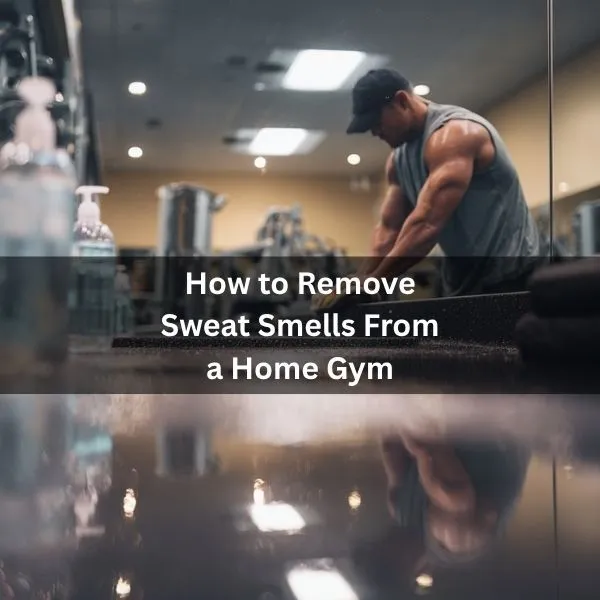
If your garden room gym’s got a “well-used” vibe, sweat’s sitting somewhere it shouldn’t. You’ll fix it faster when you stop guessing and track the smell to its source, like the rubber flooring, mats, bench vinyl, or damp fabrics are usual suspects. Start with a quick sniff test and a wipe test, then set up proper airflow and get humidity under control. Once you see where it’s hiding, the next steps are straightforward, but you’ve got to hit them in the right order.
Shop our bespoke selection of garden room gyms today, and contact a member of our gym design team to discuss your project.
Key Takeaways
- Sniff-test floors, mats, benches, handles, and the fabric kit to pinpoint hotspots such as tile seams, grips, and damp corners.
- Ventilate properly: open opposite windows/door for cross-breeze and run a fan pointing outward for 10–20 minutes post-workout.
- Control humidity with a hygrometer; aim for 40–55% RH and run a compressor dehumidifier at 50% for 2–4 hours after training.
- Deep-clean rubber flooring: vacuum the seams, mop with a pH-neutral cleaner, let dwell for 3–5 minutes, scrub gently, rinse thoroughly, and dry completely with a fan.
- Clean sweat-holding surfaces: soapy water on mats/benches, 70% isopropyl alcohol on vinyl and grips, enzyme cleaner on fabric, and remove the damp kit immediately.
Pinpoint the Source of Sweat Odours Fast
Where’s that sweat smell actually coming from? Don’t guess, track it. Start with a quick sniff test: floor, mats, bench padding, cardio handles, and any fabric items.
If the odour spikes when you bend down, your rubber flooring, mat seams, or subfloor edges are likely holding sweat. If it’s strongest at nose level, check foam rollers, gloves, towels, and stored gym bags.
Next, look for “traps”: cracks in interlocking tiles, textured grips, chalk buildup, and damp corners behind equipment.
Run a clean white cloth over high-touch surfaces; any yellowing or tacky residue points to sweat salts and body oils feeding bacteria.
Check your laundry habits too – reused towels and shirts can reintroduce stink fast.
Once you’ve found the hottest spot, you’ll know exactly what needs to be cleaned first.
If you find that your floor smells, make sure you clean your rubber mats thoroughly with the correct cleaning sprays. Rubber mats can take longer to remove smells than general equipment, so you might
Air Out Your Garden Room Gym the Right Way
Now that you’ve identified the worst offenders, clear the air so the smell doesn’t linger or spread to clean surfaces.
Open opposite windows or the door and a window to create a straight cross-breeze, then keep the route unobstructed by bags, benches, or screens.
Run a fan to push stale air out, not just swirl it around. Aim it toward the open door/window and crack another opening on the far side so fresh air replaces it.
If you’ve got trickle vents, open them during and after training. Do a quick “air cycle” immediately after workouts: 10–20 minutes of full openings, then close back down.
Don’t air out with sweaty kit still piled up. Move towels, mats, and clothes outside the room first, or at least bag them.
Wipe obvious sweat patches, then ventilate your gym again for a final flush.
Lower Humidity in Your Garden Gym (Tools + Targets)
Even if you ventilate properly, sweat odours stick around when damp air keeps surfaces from drying. Your goal is to keep the relative humidity between 40-55% most of the time, and under 60% after sessions.
Start by measuring it: put a £10 hygrometer at head height, away from windows. If readings are high, run a compressor dehumidifier sized for the room (aim for 10-20 L/day for most garden gyms). Set it to 50% and leave it on a timer for 2 to 4 hours post-workout. Drain continuously if you can, or empty daily.
Warm air holds more moisture, so keep the room at 16–19°C in winter to prevent condensation on cold surfaces. Fix obvious moisture sources: dry towels elsewhere, cap water bottles, and don’t leave a damp kit in closed bags.
If humidity spikes fast, add a small desk fan to speed drying.
Deep-Clean Rubber Gym Flooring Without Damage
Because rubber holds onto sweat, skin oils, and chalk dust in its texture, you’ll need a proper deep clean to eliminate odours without stripping the surface or leaving it slick.
Start by dry-vacuuming with a brush head, then sweep seams and edges where grime hides.
Mix warm water with a pH-neutral floor cleaner or a few drops of mild dish soap – skip bleach, ammonia, vinegar, and solvent degreasers, which can harden rubber and lock in smells.
Mop with a damp (not dripping) microfiber mop, working in small sections.
Let the cleaner dwell for 3–5 minutes, then scrub with a soft nylon deck brush.
Rinse with clean water, changing it often so you don’t spread funk.
Finally, squeegee or towel-dry, then run a fan with windows cracked until the floor’s fully dry.
Deep-clean weekly in heavy-sweat periods, and spot-clean after sessions.
Clean Mats, Benches, and Equipment That Hold Sweat
A fresh floor won’t stay fresh if your mats, bench upholstery, and handles keep reintroducing sweat and skin oils into the room.
Start with a quick dry vacuum or shake-out, then wipe every contact surface after training.
For yoga and exercise mats, use a spray bottle with warm water and a few drops of mild dish soap. Mist lightly, scrub with a soft brush, then wipe with a clean microfibre cloth. Rinse-wipe once with plain water and hang to air-dry fully.
For benches and pads, check the material. On vinyl, wipe with soapy water, then follow with a 70% isopropyl alcohol wipe for deodorising. Don’t soak seams.
On fabric, use an enzyme cleaner, blot, and fan-dry.
For metal, rubber grips, and cables, wipe with detergent first, then alcohol. Finish by drying everything so bacteria can’t rebound.
Stop Smelly Workout Clothes from Festering in the Garden Room
If you leave sweaty kit in a pile after training, it’ll sour fast and stink out the whole garden room.
Strip off damp layers straight away and hang them up so air can move through the fabric. Don’t drape clothes over radiators or heaters; you’ll bake odours in and raise humidity.
Use a dedicated, lidded laundry hamper lined with a washable bag, and keep it off the floor to prevent musty odours from transferring.
If you can’t wash the same day, turn items inside out and hang them on a drying rack for an hour first, then put them in the bin.
Wash towels, socks, and base layers on the hottest safe setting, and don’t overload the machine.
Dry fully before storing; a half-dry kit will smell again.
Keep a small hook rail by the door so you don’t forget.
Use True Odour Neutralisers (Enzymes, Charcoal, Ozone)
Once you’ve stopped sweaty kit from sitting around, tackle any odours already embedded in fabrics and lingering in the air with neutralisers that break them down rather than mask them.
Start by applying an enzyme odour remover spray to mats, benches, foam rollers, and any washable upholstery. Enzymes digest the sweat residues that feed bacteria; follow the label, let it dwell, then wipe or launder.
For the air, run activated charcoal (or carbon) bags in corners and near the door. Charcoal adsorbs volatile compounds instead of perfuming them; recharge bags in sunlight as directed.
If the smell’s stubborn, use ozone as a last resort. Only ozonate an empty, sealed garden room gym, remove plants/pets, and don’t enter until it’s fully vented.
Ozone oxidises odour molecules fast, but it can irritate lungs and degrade rubber, so keep sessions short.
Follow a Weekly Routine to Keep Odours Away
Because odour builds up in layers, you’ll keep your garden room gym fresh far more easily by sticking to a simple weekly routine than by doing occasional deep cleans.
Pick one reset day and treat it like training: non-negotiable, quick, done.
- You’ll walk in and feel calm, not hit by that stale-sweat punch.
- You’ll stop second-guessing if guests can smell your last session.
- You’ll enjoy workouts more when the room smells clean and controlled.
- You’ll protect your kit, mats, and flooring from lingering grime.
Each week, air the room for 15 minutes, then wipe high-touch gear with an antibacterial cleaner and dry it fully.
Wash towels and removable covers hot, and hang mats to vent.
Vacuum or mop the floor, especially under benches and racks.
Empty the bin, refresh charcoal bags, and check any dehumidifier tank.
Five tasks, one hour, no surprises.
Conclusion
Sweat odours don’t have to take over your garden room gym. Track the hotspots fast, then air the room with a cross-breeze after every session. Keep humidity in the 40–55% range with a dehumidifier, and deep-clean the rubber flooring, mats, benches, and grips before odours set in. Don’t let the damp kit sit around. Wash and dry it immediately. Use enzyme sprays or charcoal to neutralise odours. Stay consistent, and you’ll nip it in the bud.
For a complete routine, follow this guide on how to clean a garden room gym.