


Table of Contents
- Key Takeaways
- How to Clean Dumbbells and Plates Fast After Workouts?
- What Cleaning Supplies Are Safe for Dumbbells and Plates?
- How to Clean Rubber-Coated Dumbbells and Plates?
- How to Clean Urethane Dumbbells and Plates Safely?
- How to Clean Chrome and Bare-Metal Dumbbells?
- How to Clean Cast Iron Plates and Prevent Rust?
- How Often Should You Clean Dumbbells and Plates?
- Conclusion
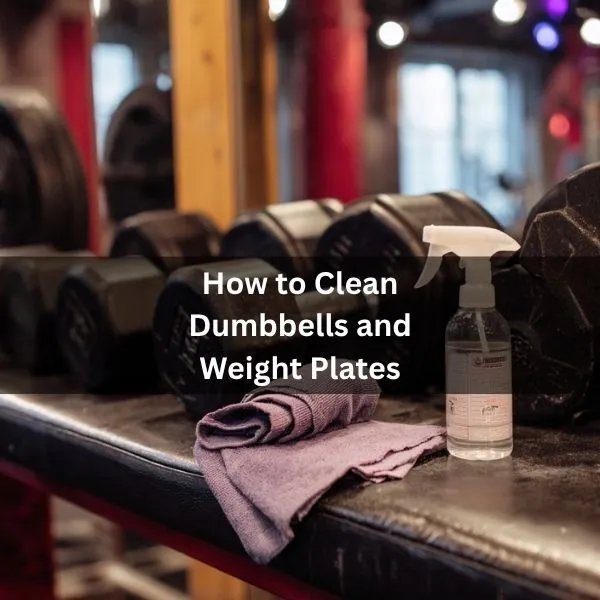
Your dumbbells and plates can get a little “well-loved” after hard workout sessions in your home gym. If you don’t clean them, sweat, chalk, and skin oils build up fast, slicking grips, stinking up storage, and inviting rust on metal parts. You can handle most of it in under two minutes with the right wipe-down, a simple soap mix, and a knurling brush. The trick is matching the method to the material, because one wrong cleaner can do damage…
Key Takeaways
- Wipe down dumbbells and plates immediately after workouts to remove sweat and chalk before buildup hardens.
- Clean handles, knurling, end caps, and plate rims using microfiber cloths and a soft nylon brush for seams.
- Use warm water with mild dish soap or a pH-neutral cleaner; rinse with a damp cloth and dry fully before racking.
- Disinfect occasionally with 70% isopropyl alcohol on a cloth; avoid bleach, ammonia, and abrasive pads.
- For bare metal, finish with a light silicone spray or 3-in-1 oil to prevent rust, and store in a dry area.
How to Clean Dumbbells and Plates Fast After Workouts?
After you finish your last set, don’t leave sweat and chalk to bake onto the handles – wipe everything down right away.
Keep a small cleaning station within arm’s reach so you don’t skip it. Do a quick pass over knurling, end caps, and plate rims, then rotate the dumbbell and repeat. For plates, hit the grip cutouts and any raised lettering that collects grime.
If you see stubborn chalk in knurling or around seams, use a soft brush and short, firm strokes, then wipe again. Don’t soak anything; excess moisture creeps into seams and under coatings.
Dry every surface before racking so you don’t trap dampness against rubber or metal. Finish by checking the rack rails and floor spot where you trained, clean those too, or you’ll re-dirty the gear next session.
Repeat this routine every workout.
What Cleaning Supplies Are Safe for Dumbbells and Plates?
A few basic supplies clean most dumbbells and plates safely without stripping coatings: microfiber cloths, a soft nylon brush (for knurling and seams), and a mild dish soap and water mix or a pH-neutral cleaner in a spray bottle.
Keep a second dry cloth for immediate wipe-downs so moisture doesn’t sit in crevices. For disinfecting, use 70% isopropyl alcohol on a cloth, not by pouring it directly, and don’t let it pool.
Skip harsh stuff that can dull finishes or promote rust: bleach, ammonia, abrasive powders, steel wool, and stiff wire brushes.
Avoid strong degreasers and solvent cleaners unless the manufacturer says they’re safe. If you need lubrication or rust prevention on bare metal, use a light machine oil or silicone-free protectant applied sparingly, then buff off excess to prevent slippery handles.
Always spot-test any new cleaner on an inconspicuous area first.
If you’re looking to clean the rest of your gym equipment, make sure you consider the different materials for each machine, as they vary based on brand.
How to Clean Rubber-Coated Dumbbells and Plates?
Rubber-coated dumbbells and plates clean up fast if you tackle sweat and chalk before they dry in. Wipe them down right after training with a microfiber cloth to lift grit without scuffing the coating.
For routine cleaning, mist a cloth with warm water and a few drops of mild dish soap. Wipe the rubber thoroughly, then wipe again with a clean, damp cloth to remove residue.
Dry with a towel so moisture doesn’t sit around the hubs, bolts, or plate rings.
For stubborn chalk, use a soft nylon brush or an old toothbrush on the textured areas, then wipe clean. For sticky grime, spot-clean with a diluted all-purpose cleaner on the cloth, not directly on the rubber.
Avoid harsh solvents, bleach, or abrasive pads as they can dull, crack, or fade rubber. Finish by air-drying on a rack, not in direct sun.
How to Clean Urethane Dumbbells and Plates Safely?
Because urethane resists scuffs and staining, you can clean urethane dumbbells and plates with a simple wipe-down. Just keep solvents and abrasives out of the equation.
Mix a few drops of mild dish soap into warm water, dampen a microfiber cloth, and wipe every face, edge, and handle. Don’t soak the gear or let liquid pool around end caps or seams; moisture can creep in and cause odour over time.
For sweat-heavy sessions, use a ready-to-use, non-bleach disinfectant labelled safe for plastics, or make a light 70% isopropyl alcohol wipe (spray onto the cloth, not the weight).
Let surfaces stay visibly wet for the product’s contact time, then wipe dry.
Skip acetone, citrus degreasers, ammonia, and gritty pads; they can dull the finish.
Finish by air-drying fully before racking.
How to Clean Chrome and Bare-Metal Dumbbells?
Chrome and bare-metal dumbbells need two things after training: quick sweat removal and a light rust barrier. Keep a microfiber towel nearby and wipe them down as soon as you finish your set, especially knurled handles where salt and chalk hide.
For a proper clean, mix warm water with a few drops of mild dish soap. Lightly dampen a cloth (don’t soak it) and scrub the handles and heads. Use a soft toothbrush to lift grime from knurling without scratching the finish.
Rinse your cloth with clean water, wipe it again to remove soap, and dry it immediately with a fresh towel.
If you spot early rust specks, rub gently with a nylon scrub pad or a cloth with a tiny bit of metal polish, then wipe clean and dry.
Finish by applying a thin coat of silicone spray or 3-in-1 oil on a cloth and buff lightly.
How to Clean Cast Iron Plates and Prevent Rust?
Even if cast iron plates feel dry to the touch, sweat and humid air can start surface rust fast, especially around the hub and lettering.
First, brush off chalk and grit with a dry nylon brush, then wipe with a microfiber cloth. For light rust, scrub the spots using 0000 steel wool or a Scotch-Brite pad dampened with a 1:1 mix of white vinegar and water; don’t soak the plate.
Wipe clean, then dry immediately with a towel, followed by a few minutes of fan or hair-dryer heat to drive off moisture.
To prevent rust, apply a thin film of 3-in-1 oil, mineral oil, or silicone spray onto a cloth and wipe down the entire plate, including the centre hole.
Buff until it doesn’t feel greasy, so it won’t attract dust. Store plates off concrete and keep them indoors.
How Often Should You Clean Dumbbells and Plates?
If you stay on top of sweat, chalk, and skin oils, you won’t need marathon cleaning sessions to keep your dumbbells and plates in good shape.
Wipe them down after every workout, especially handles, knurling, and plate rims. That quick reset prevents slick grips, grime buildup, and corrosion on metal finishes.
Deep-clean on a schedule based on use. If you train most days, do a full clean weekly. If you lift a few times a week, aim for every two to four weeks.
In a shared gym or garage with dust and humidity, tighten the cadence and inspect for rust spots.
- Clean often enough that your grip stays secure under fatigue
- Treat cleaning like maintenance, not punishment after neglect
- Let your environment set the schedule: sweat, chalk, moisture, and traffic
After cleaning, dry everything fully and store the plates off the damp concrete.
Conclusion
Funny how your hands always find the same knurling, and that’s exactly where sweat, chalk, and grime keep coming back. If you wipe dumbbells and plates right after training, you’ll avoid most buildup. When they need more, use warm water plus mild dish soap, scrub knurling with a soft nylon brush, then wipe off residue. Dry everything before storage. Do this consistently, and you’ll cut rust, smells, and slippery handles fast.
For a full routine, follow this home gym cleaning guide.