


Table of Contents
- Key Takeaways
- Clean vs. Disinfect Gym Equipment (When to Do Each)
- Choose a Gym Equipment Cleaner by Material
- Quick Wipe-Down Routine After Every Workout
- Disinfect Gym Equipment Safely (Alcohol %, Dwell Time)
- Clean Handles, Grips, Knurling, and Cables
- Clean Benches and Upholstery Without Cracking Vinyl
- Clean Mats and Foam Gear (Yoga, Floor Pads, Rollers)
- Weekly Gym Equipment Cleaning Schedule (Daily/Weekly/Monthly)
- Conclusion
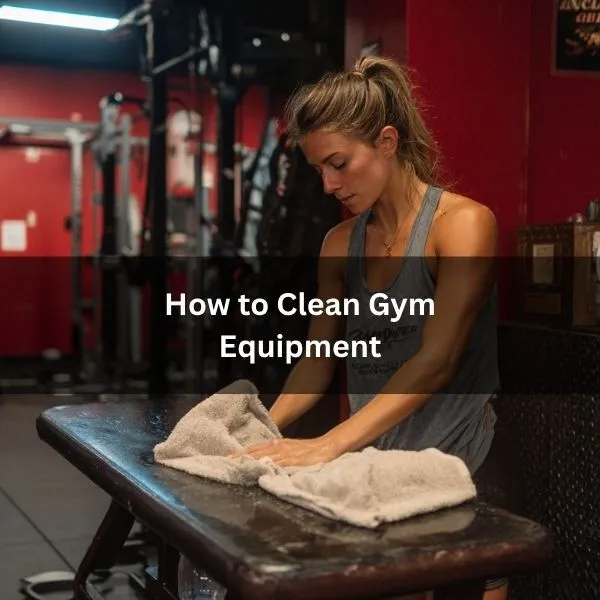
You’ve probably wiped down a machine right after using it, and it still didn’t feel clean. You need to know when you’re just removing sweat versus actually disinfecting germs. Start with a mild, pH-neutral cleaner, hit the high-touch spots, and use a microfiber cloth in one direction to avoid smearing grime. Then you disinfect and let it stay wet long enough to work… but the timing and products matter more than you think. Learn how to properly clean your garden gym equipment below:
Key Takeaways
- Clean equipment after every workout to remove sweat and oils; disinfect only after cleaning, especially for shared gear or flu season.
- Use material-safe cleaners: mild soap for painted steel, non-abrasive for chrome, ammonia-free for plastics, and vinyl-safe for upholstery.
- Keep a microfiber cloth and cleaner nearby; wipe high-touch areas first, like handles, grips, pins, knobs, and touchscreens.
- Spray cleaner onto the cloth, wipe in one direction, then flip to the clean side of the cloth to avoid smearing residue.
- For disinfection, use 70% isopropyl or 60–80% ethanol and keep surfaces wet for the required contact time.
Clean vs. Disinfect Gym Equipment (When to Do Each)
Although people use “clean” and “disinfect” interchangeably, they’re not the same job: you clean gym equipment first to remove sweat, grime, and oils, then you disinfect to kill germs on the now-clean surface.
Clean up after every workout and whenever you see visible residue. Wipe, scrub, and lift off soil; if you skip this step, disinfectant can’t reach germs effectively.
Disinfect when you’re sharing equipment, during cold/flu season, after a sick user, or on high-touch points like handles, buttons, pins, and touchscreens.
Apply an EPA-registered disinfectant and keep the surface visibly wet for the label’s contact time; don’t just mist and wipe dry immediately. Let it air-dry when possible.
If you’re doing a quick between-users pass, clean first, then disinfect, then dry your hands or use sanitiser right after.
Choose a Gym Equipment Cleaner by Material
Before you grab the nearest spray bottle, match your cleaner to the equipment’s material, because the wrong product can strip finishes, crack plastics, dry out rubber, or ruin upholstery.
For painted or powder-coated steel frames, use a mild dish soap solution or a pH-neutral cleaner; skip bleach and abrasive powders, which can scratch and dull.
For stainless parts and chrome, choose a non-abrasive cleaner and a soft microfiber; avoid chlorine bleach, which can pit metal.
For plastics (consoles, shrouds), use a diluted soap solution or an electronics-safe, ammonia-free cleaner; harsh solvents can haze screens and make plastics brittle.
For rubber grips and flooring, use a gentle, non-degreasing cleaner; strong alcohol can dry rubber and cause cracking.
For vinyl or PU upholstery, use a vinyl-safe cleaner; avoid high-percentage alcohol and peroxide that can fade and stiffen seams.
Always spot-test first.
Quick Wipe-Down Routine After Every Workout
Now that you’ve got the right cleaner for each material, build a fast wipe-down habit you can do every time you finish a set.
Keep a microfiber cloth and your cleaner within arm’s reach, and don’t wait until you’re leaving – wipe as you go.
Start with high-touch spots: handles, grips, adjustment pins, seat edges, back pads, and touchscreens.
Spray the cloth (not the machine) to prevent drips into seams, bearings, and electronics, then wipe in one direction with firm pressure.
Flip to a clean side of the cloth for the next station so you’re not smearing sweat around.
For knurled bars and textured grips, pinch the cloth and twist it along the pattern to remove chalk and grime.
Finish with a quick pass on knobs, rails, and cables where your hands travelled.
Toss used wipes, and bag sweaty cloths immediately.
Disinfect Gym Equipment Safely (Alcohol %, Dwell Time)
Two things matter when you disinfect gym equipment: the right alcohol strength and enough dwell time.
Use 70% isopropyl alcohol (or 60–80% ethanol) for most hard, nonporous surfaces. Higher isn’t better; 90%+ flashes off too fast and can miss microbes.
Apply enough product to visibly wet the surface. Don’t “mist and buff.” Keep it wet for the full dwell time: typically 30 seconds to 4 minutes, depending on the product. Set a timer if you have to. Let it air-dry; wiping early cuts the kill rate.
Ventilate the area, wear gloves if your skin reacts, and keep alcohol away from open flames. Test a hidden spot first to avoid discolouration or cracking.
When cleaning cross-trainers, make sure you do not spray chemicals onto the control buttons, as this can cause the electronics inside the machine to stop functioning properly.
Clean Handles, Grips, Knurling, and Cables
Three touch points collect the most grime: handles, grips, and knurled metal (plus the cables you’re constantly brushing).
Start by wiping off chalk and dust with a dry microfiber cloth. Then spray your disinfectant onto the cloth, not the equipment, so you don’t soak bearings, seams, or electronics. Wipe every contact surface, rotating the handle as you go, and keep it visibly wet for the required dwell time.
For rubber or foam grips, use light pressure and a second clean cloth to remove residue.
For knurling, scrub across the pattern with a soft nylon brush or an old toothbrush, then wipe again to lift what you loosened. If rust or salt from sweat shows up, hit it fast, dry it thoroughly, and finish with a tiny drop of light oil on a rag.
When cleaning cable machines, pinch-wipe along the length, then dry.
Clean Benches and Upholstery Without Cracking Vinyl
Once you’ve knocked down the grime on high-touch grips and cables, turn to benches, because sweat and skin oils love to soak into upholstery seams.
Start with a dry microfiber cloth to lift dust and grit, then vacuum the seams and stitching so you don’t grind debris into the vinyl.
Mix warm water with a few drops of mild dish soap, or use a pH-neutral vinyl cleaner. Lightly mist the cloth, not the bench, and wipe in overlapping passes.
Work seams with a soft brush or cotton swab, then immediately wipe again with a clean damp cloth to remove residue. Dry it fast with a towel; standing moisture weakens stitching and invites odour.
Make sure you clean these parts thoroughly to eliminate sweat odours in your home gym.
Skip bleach, ammonia, alcohol-heavy sprays, and abrasive pads; they’ll harden the surface and cause cracking.
Finish by applying a vinyl protectant/conditioner monthly, then buff off any excess so it won’t feel slick during lifts.
Clean Mats and Foam Gear (Yoga, Floor Pads, Rollers)
Where does that stubborn gym funk hide the longest? In porous mats and foam gear that soak up sweat, skin oils, and whatever’s on the floor.
Start by shaking off grit, then wipe both sides with a microfiber cloth. Use a gentle mix: warm water plus a few drops of dish soap, or a 1:1 water and white vinegar spray if odours linger. Don’t drench foam; heavy soaking breaks it down and traps moisture inside.
For yoga mats, scrub textured grooves with a soft brush, then wipe clean with plain water.
For rollers and floor pads, pay attention to seams and holes, and consider cleaning them with a toothbrush. Rinse your cloth often so you’re not smearing grime around.
Drying matters: stand mats upright or hang them, and air-dry foam in a ventilated spot out of direct sun.
Weekly Gym Equipment Cleaning Schedule (Daily/Weekly/Monthly)
You’ve wiped down the porous stuff, but the rest of your gear needs a repeatable routine so grime doesn’t build up between workouts.
Use a simple cadence: daily touchpoints, weekly resets, and monthly deep cleans. Keep a spray bottle of gym-safe disinfectant, microfiber cloths, and a small brush in your training area.
Daily: after every session, wipe handles, adjustment knobs, bench vinyl, cables, and touchscreen buttons. Let disinfectant dwell per label, then dry. Empty chalk trays and toss sweaty towels.
Weekly: vacuum floors and under machines; clean dumbbell racks and machines like a StairMaster; wash straps, collars, and lifting belts (wipe leather with conditioner). Scrub knurling with a nylon brush and mild soap, then dry and lightly oil.
Monthly: inspect for rust, frayed cables, loose bolts, and sticky bearings; tighten hardware and lubricate guide rods. Wash curtains, fans, and vents to cut dust.
Conclusion
Clean and disinfect aren’t the same – do both, but at the right time. You wipe away sweat now, or you scrub stubborn buildup later. You choose the right cleaner for steel, rubber, vinyl, and foam, or you replace cracked pads and sticky grips. Hit high-touch spots after every workout, then disinfect with the right alcohol level and full dwell time. Stick to a simple daily/weekly/monthly schedule, and your gear stays safe, smooth, and long-lasting.
For a complete routine, follow this guide for cleaning a garden room gym.