


Table of Contents
- Key Takeaways
- Supplies to Clean a Cable Machine
- Make the Cable Machine Safe to Clean
- Daily: Clean Cable Machine Handles and Grips
- Disinfect the Cable Machine Frame and Pads
- Clean Cable Machine Guide Rods and Weight Stack
- Clean Cable Machine Pulleys and Cable Path
- Lubricate the Cable Machine (and What to Avoid)
- Cable Machine Cleaning Schedule (Daily to Monthly)
- Conclusion
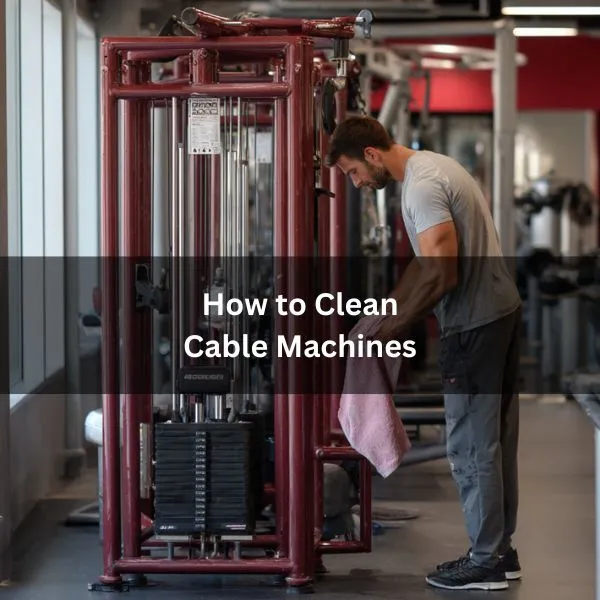
A cable machine looks tough, but it collects sweat, dust, and grit fast. You’ll get better performance from your home gym equipment and fewer repairs if you clean it properly. Start by making it safe. Unplug it, clear attachments, and keep your supplies close. Then you’ll move from quick daily wipe-downs to proper disinfecting and careful attention to guide rods, pulleys, and the weight stack. Miss one spot, and you’ll notice it sooner than you think…
Key Takeaways
- Gather microfiber cloths, mild gym-safe disinfectant or diluted dish soap, warm water, soft brushes, cotton swabs, and a dry towel.
- Unplug any electronics, clear accessories, seat the weight pin, and inspect cables, pulleys, and hardware for wear before cleaning.
- Wipe handles, grips, carabiners, and D-rings with a damp cloth; lightly scrub textured rubber, then dry and air-dry attachments.
- Disinfect frame touchpoints and pads by spraying product onto a cloth, wiping evenly, and respecting dwell time; avoid harsh chemicals on vinyl.
- Clean guide rods and weight stack plates from top to bottom, brush debris from gaps, dry thoroughly, and lubricate rods only if the manufacturer allows.
Supplies to Clean a Cable Machine
Before you start cleaning your cable machine, gather a few basic supplies: a microfiber cloth, a mild gym-safe disinfectant or diluted dish soap, warm water, a soft-bristle brush for crevices and pulleys, and a dry towel for finishing.
Add nitrile gloves if you’ve got sensitive skin, plus a small spray bottle to control overspray and keep liquid off bearings.
Keep cotton swabs or a detailing brush handy for cable ends, adjustment holes, and tight seams around guide rods.
Use a nonabrasive sponge for painted frames and plastic shrouds, and set out a clean bucket for mixing soap and rinsing cloths.
If you’re disinfecting frequently, grab a separate “wipe” cloth and a separate “dry” cloth to prevent streaks.
Make the Cable Machine Safe to Clean
Even if you’re doing a quick wipe-down, make the machine safe first: unplug it (if it has electronics), clear the area, and remove any accessories.
Put attachments in a bin so nothing rolls under the weight stack or gets stepped on.
Check that the pin is fully seated in the weight stack and set the stack to its lowest position to reduce tension.
If your unit has a selectorised stack, keep fingers away from plates and guide rods.
For plate-loaded systems, unload plates and store them.
Then inspect cables, pulleys, and carabiners for frays, cracks, or loose hardware before you touch anything with cleaner.
Lock or brace moving arms if your machine allows it.
Finally, keep water away from bearings and electrical panels while you work.
Daily: Clean Cable Machine Handles and Grips
Start with the parts you touch most: handles, grips, and attachment straps. Unclip attachments and wipe them down after every session so sweat, chalk, and skin oils don’t build up.
Use a damp microfiber cloth with a mild soap-and-water mix, then follow with a clean, dry cloth to prevent slick residue. For textured rubber, scrub lightly with a soft brush to lift grime from grooves without scuffing.
If your grips are foam, don’t soak them. Just wring your cloth nearly dry and wipe in passes. Check metal carabiners and D-rings on straps and attachments; wipe away grit so they don’t grind or squeak.
Let everything air-dry before rehanging to keep odours and tackiness away.
Disinfect the Cable Machine Frame and Pads
Once your handles and attachments are clean, move on to the cable machine’s frame and pads, where sweat mist and handprints linger.
Spray a gym-safe disinfectant onto a microfiber cloth, not directly on the machine, so you don’t drip into seams. Wipe uprights, crossbars, adjustment knobs, and touch points you grab when setting up.
For pads, use a disinfectant approved for vinyl or polyurethane. Wipe the seat, back pad, and thigh rollers with firm, overlapping passes.
Let the surface stay visibly wet for the product’s listed dwell time, then air-dry. If it’s busy, finish with a dry cloth so the next person won’t slide.
Replace torn pad covers promptly, since cracks trap grime and bacteria.
Clean Cable Machine Guide Rods and Weight Stack
Next, focus on the guide rods and weight stack, because dust, chalk, and dried sweat can build up there and make the carriage feel gritty.
Set the pin to the lowest plate so you can access more rod surface. Wipe each guide rod top to bottom with a clean microfiber cloth, then follow with a lightly damp cloth if residue remains. Avoid soaking; you don’t want drips inside the stack.
Clean the weight plates’ edges and faces, plus the selector stem, pin, and label areas where hands touch. Use a soft brush to knock debris out of plate gaps.
Dry everything thoroughly. If your manufacturer allows lubrication, apply a tiny amount to the rods, then cycle the stack up and down to spread it evenly.
Clean Cable Machine Pulleys and Cable Path
Because grime often hides where you can’t easily see it, pay special attention to the pulleys and the entire cable path.
Start by lowering the weight stack to remove tension, then visually trace the cable from handle to stack, checking every wheel and guide. Wipe pulleys and brackets with a damp microfiber cloth, then use a soft brush or cotton swab to clear dust from grooves and corners. Keep moisture to a minimum and dry everything immediately to prevent corrosion.
As you clean, use these checkpoints:
- Grooves: remove packed chalk, lint, and grit.
- Alignment: Confirm the cable sits centred on each pulley.
- Fraying: look for broken strands, kinks, or flat spots.
- Hardware: tighten loose fasteners and note worn wheels for service.
Lubricate the Cable Machine (and What to Avoid)
A light, targeted lubricant keeps your cable machine running smoothly without attracting extra grime.
After you’ve wiped the pulleys and cable path, apply a small amount of silicone spray or a PTFE dry lube to pulley bearings, guide rods, and pivot points if your manual allows it.
Spray onto a cloth first, then wipe the part so you don’t mist weight stacks, upholstery, or floors.
Work the carriage or handles through a few reps to distribute the film, then wipe off any visible excess.
Avoid heavy grease, petroleum oils, and WD-40-style penetrants; they trap dust, swell some plastics, and can degrade rubber.
Don’t lube the cable itself unless the manufacturer specifically recommends it.
If it squeaks after, you used too much.
Cable Machine Cleaning Schedule (Daily to Monthly)
Once you’ve lubricated the right points and wiped away any excess, lock in that smooth feel with a simple cleaning schedule that matches how often you use the machine.
Consistency beats marathon scrubs, and a routine helps you catch fraying cables, sticky pulleys, and grime before it turns into wear.
- Daily: Wipe handles, pads, and touchpoints with a mild cleaner; dry them so sweat doesn’t corrode hardware.
- Weekly: Vacuum around the weight stack, uprights, and floor track; wipe guide rods and exposed metal.
- Biweekly: Inspect cable sheathing, pulley grooves, and carabiners; remove buildup with a damp cloth, then dry.
- Monthly: Deep-clean shrouds and corners, check bolts for tightness, and log any noise or drag changes.
Conclusion
You keep your cable machine running like a well-tuned engine when you clean it the right way. Unplug it, clear the area, and wipe handles daily so sweat doesn’t build up. Disinfect the frame and pads, then scrub guide rods, the weight stack, and the cable path to keep everything moving smoothly. Dry all surfaces, and lubricate only where the manufacturer allows. Stick to your schedule, and you’ll train cleaner, safer, and longer.
Properly cleaning gym equipment is essential for longevity. Make sure to read our full guide on maintaining all of your equipment.